Why most Plumber Services projects fail (and how yours won't)
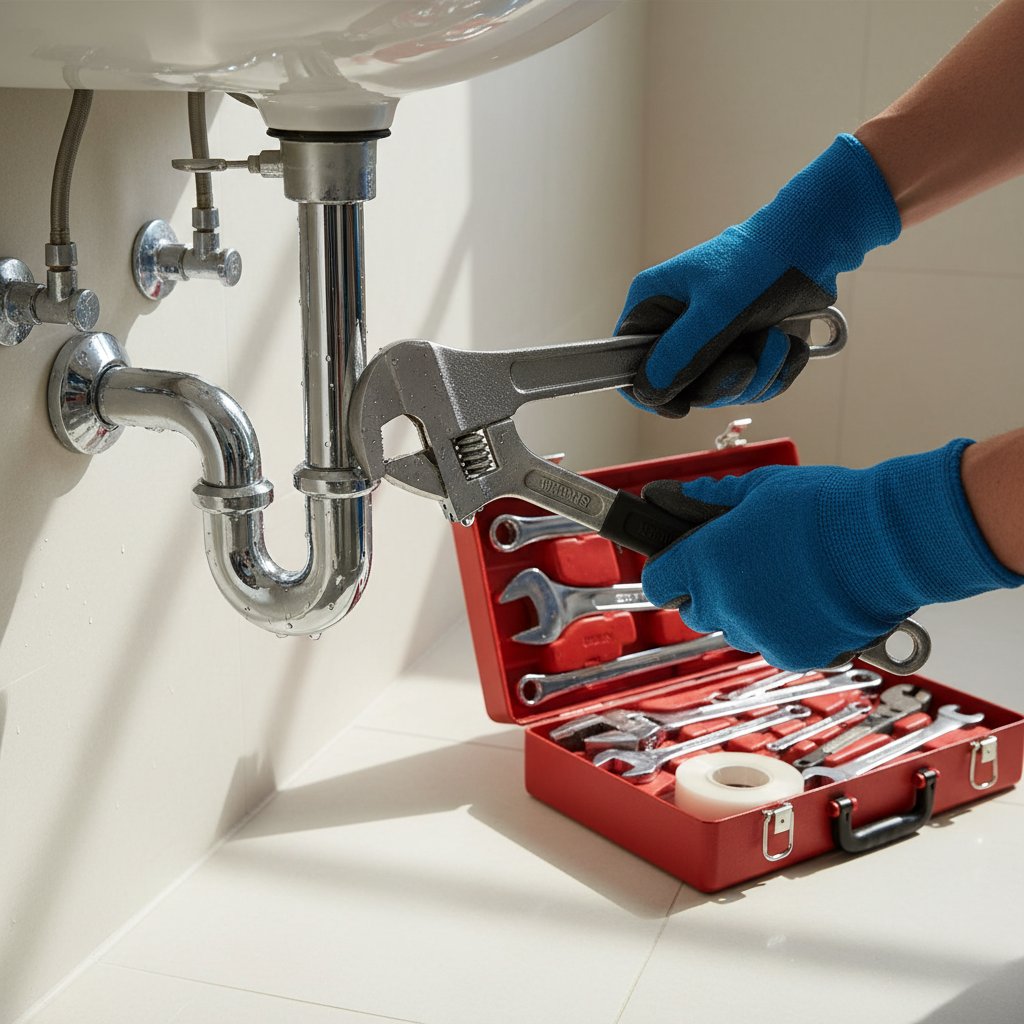
The $3,000 Mistake That Keeps Happening in Your Neighbor's Bathroom
Last week, I got a call from a homeowner who'd just spent $2,800 on a bathroom remodel—and the toilet still leaked. The kitchen sink from their "quick fix" three months ago? Now flooding the cabinet below. They'd hired three different plumbers for various jobs over six months, and somehow ended up worse than when they started.
Sound familiar?
Here's the uncomfortable truth: about 40% of residential plumbing projects end up requiring a second contractor to fix what the first one messed up. That's not just my observation—that's what insurance adjusters are seeing in claims data. And the average cost to fix botched plumbing work? Roughly 1.5 times what the original job would've cost if done right.
Why Plumbing Projects Go Sideways (It's Not What You Think)
Most people blame it on "bad plumbers," but that's lazy thinking. The real culprits are way more interesting:
The Diagnosis Gets Skipped
Plumbers show up, glance at your dripping faucet, and immediately start replacing parts. Nobody's actually diagnosing WHY it's dripping. Is it water pressure? Sediment buildup? A valve issue three connections back? Skipping the diagnosis is like a doctor prescribing antibiotics before checking if you actually have an infection.
I've seen "simple" faucet replacements turn into $1,200 nightmares because nobody noticed the corroded supply lines hidden in the wall.
The Scope Creep Nobody Mentions
You call about a clogged drain. The plumber discovers your 40-year-old cast iron pipes are rusting from the inside. Now what? Most contractors don't pause to recalibrate. They either ignore the bigger problem (which bites you six months later) or they start expanding the job without clear communication about costs.
A friend of mine had a plumber quote $180 for a drain cleaning. By the time the guy left, the bill hit $950. Were the extra repairs necessary? Probably. Was my friend prepared for that financial hit? Absolutely not.
The Permit Problem
Roughly 60% of homeowners don't realize their water heater installation needs a permit. And about half of contractors don't bother pulling them because "it slows things down." Fast-forward to when you sell your house: the inspector flags unpermitted work, and suddenly you're either ripping it out or negotiating thousands off your sale price.
Red Flags That Your Project's About to Tank
Watch for these warning signs before you're in too deep:
- The quote comes in under 15 minutes — Proper estimates require crawling under sinks, checking water pressure, and sometimes running a camera through your pipes. If someone eyeballs it and tosses out a number, run.
- No mention of permits or codes — Any job involving new fixtures, rerouting pipes, or gas lines requires permits in most municipalities. If your contractor doesn't bring it up, they're cutting corners.
- The "while I'm here" upsell — Good contractors document additional issues and give you time to think. Pushy ones create urgency to inflate the bill.
- Cash-only discounts — This usually means no insurance, no warranty trail, and no recourse when things go wrong.
How to Actually Get Your Plumbing Project Done Right
Step 1: Get a Diagnostic First (Budget $150-300)
Before anyone touches a wrench, pay for a proper diagnostic visit. A good plumber will check water pressure, inspect related systems, and photograph problem areas. You'll get a written report explaining what's wrong and why.
This upfront cost saves you from the "oh, we found another problem" cascade later.
Step 2: Demand Item-by-Item Quotes
Your estimate should break down labor, materials, permit fees, and disposal costs separately. If you see one lump sum, push back. You need to understand where your money's going.
Real example: A water heater replacement should show the unit cost ($800-1,400), installation labor (4-6 hours), permit ($75-150), and disposal of the old unit ($50-75). Anything less detailed is a red flag.
Step 3: Verify Three Things Before Signing
Check their license number on your state's contractor board website. Confirm their insurance is current (ask for a certificate). Read actual reviews that mention specific projects, not just "great service!" fluff.
Takes 20 minutes. Saves thousands.
Step 4: Build in a 20% Time and Money Buffer
Plumbing projects run over. Old houses hide surprises. If your budget is $2,000, have $2,400 available. If the timeline is three days, clear your schedule for four.
This buffer prevents panic decisions when your contractor discovers your main shutoff valve is seized shut.
The Post-Project Insurance Policy
Get written warranties for both labor (minimum one year) and parts (typically manufacturer-backed). Take photos of the completed work before the contractor leaves. And here's the move nobody thinks about: schedule a follow-up inspection for 30 days out.
Most problems reveal themselves within the first month. That leaky joint? The fixture that's not quite level? Catch it while you still have leverage.
Your plumbing project doesn't have to join the 40% failure club. It just needs someone willing to slow down, ask questions, and treat their home like it matters. Which, last I checked, it absolutely does.